
Bees, wasps and hornets are often grouped together because they all belong to the same insect order, known as Hymenoptera. Despite their similarities, they have distinct differences in appearance, behaviour, diet and their role in the environment. Understanding these differences can help people identify them correctly and appreciate the important part each species plays in nature.
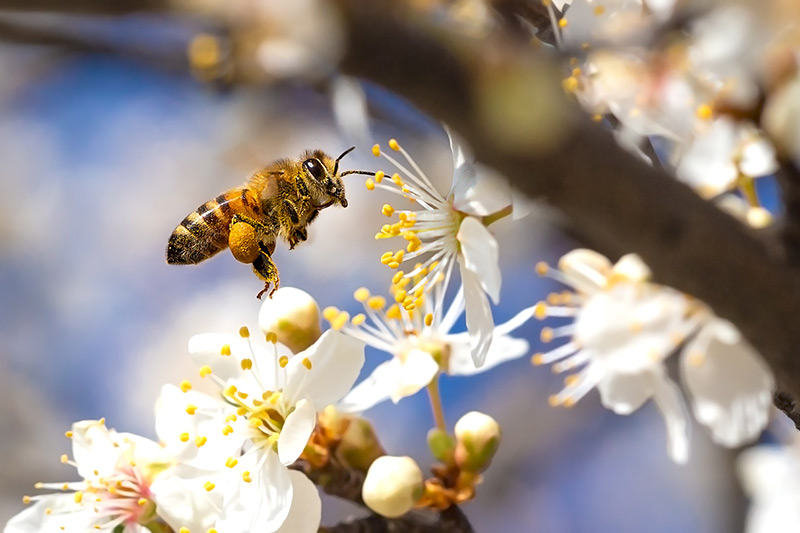
Bees are best known for their role as pollinators. They have rounded, fuzzy bodies covered in tiny hairs that collect pollen as they move from flower to flower. Most bees are brown, black or golden-yellow, although colours vary between species. Honey bees and bumblebees are among the most familiar in the UK. Bees primarily feed on nectar and pollen, making them essential for pollinating crops, wildflowers and garden plants. Without bees, many fruits, vegetables and flowering plants would struggle to reproduce.
In general, bees are gentle insects and will only sting if they feel threatened or if their nest is disturbed. A honey bee can sting only once because its barbed sting becomes lodged in the skin, causing the bee to die shortly afterwards. Bumblebees can sting more than once but rarely do so unless provoked. Their calm nature makes them valuable visitors to gardens and parks.
Wasps have a much slimmer and smoother appearance than bees. Their bodies are usually bright yellow and black with a narrow waist, and they have very little body hair. Unlike bees, wasps are predators as well as scavengers. They feed on insects, spiders and sugary substances, making them useful for controlling pests in gardens. Later in the summer, wasps are often attracted to sweet foods and drinks, which is why they commonly appear at picnics and outdoor events.
Wasps are generally more defensive than bees and can sting multiple times because their stings are smooth and do not remain in the skin. Although many people see wasps as a nuisance, they provide valuable ecological benefits by helping to regulate insect populations and contributing to pollination, although not as effectively as bees.
Hornets are actually a type of wasp, but they are much larger and more robust. The European hornet, the only native hornet in the UK, can grow to around 3.5 centimetres in length. It has reddish-brown and yellow markings rather than the bright yellow colouring of common wasps. Hornets build large paper nests in hollow trees, roof spaces and other sheltered locations.
Despite their intimidating size, hornets are often less aggressive than common wasps when left undisturbed. They hunt flies, wasps and other insects to feed their larvae, making them effective natural pest controllers. Like wasps, hornets can sting more than once, but they usually avoid confrontation unless they believe their nest is under threat.
In summary, bees, wasps and hornets each have unique characteristics and important ecological roles. Bees are vital pollinators that support food production and biodiversity. Wasps help control pest insects while also providing some pollination. Hornets, as the largest members of the wasp family, are efficient predators that contribute to maintaining ecological balance. Although they may sometimes be feared, all three insects are valuable parts of the natural world and deserve respect rather than unnecessary harm. Learning to recognise their differences can help people respond appropriately and appreciate the benefits these remarkable insects provide.